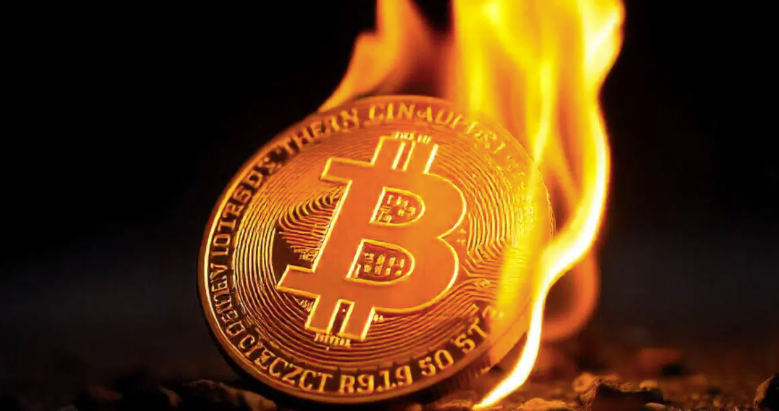
Token burning serves as a strategic tool within the cryptocurrency ecosystem. It involves the permanent removal of tokens from circulation, thereby impacting overall supply dynamics. This process is executed through smart contracts, which ensure transparency and security. By creating scarcity, token burning can influence market value and investor confidence. Understanding the underlying mechanisms and implications of this practice reveals its significance in the broader context of cryptocurrency markets. What factors drive its adoption and effectiveness?
Understanding the Basics of Token Burning
Token burning refers to the process of permanently removing a specific amount of cryptocurrency tokens from circulation, effectively reducing the total supply.
This deflationary strategy aims to increase the value of the remaining tokens by creating scarcity. By decreasing the token supply, projects can foster a more favorable economic environment, appealing to investors who value the potential for growth in decentralized financial systems.
The Mechanism Behind Token Burning
The mechanism behind token burning operates through a variety of methods, often involving smart contracts that automate the process.
These technical processes effectively remove tokens from circulation, influencing supply and demand dynamics.
The economic implications of such actions can be significant, as reduced supply can enhance token value.
Understanding these mechanisms is crucial for participants seeking to navigate the complexities of cryptocurrency markets.
See also: The Evolution of Technology Through the Years
Benefits of Token Burning for Cryptocurrencies
One of the primary benefits of token burning within cryptocurrencies lies in its capacity to enhance scarcity.
This reduction in supply can yield beneficial outcomes by potentially increasing the value of remaining tokens. Furthermore, the market impact of token burning fosters investor confidence, encouraging participation and investment.
Ultimately, this mechanism aligns with the principles of decentralization and ownership, appealing to those who value financial freedom.
Real-World Examples of Token Burning in Action
Numerous cryptocurrencies have implemented token burning as a strategic mechanism to manage supply and influence market dynamics.
Binance Coin employs a quarterly token burn, reducing its total supply and potentially increasing value.
Similarly, Ethereum Classic has adopted a burn strategy to enhance scarcity.
These actions reflect deliberate efforts to optimize market conditions, demonstrating the practical applications and implications of token burning within the cryptocurrency ecosystem.
Conclusion
In conclusion, token burning serves as a strategic mechanism to enhance scarcity and potentially elevate the value of remaining tokens within a cryptocurrency ecosystem. As of October 2023, over 1.5 million Ethereum tokens have been burned since the implementation of EIP-1559, illustrating the significant impact such practices can have on supply dynamics. This process not only boosts investor confidence but also underscores the broader principles of decentralization and financial autonomy that define the cryptocurrency landscape.